Introduction
Gone are the days when private investigators relied solely on stakeouts and following paper trails. In 2024, technology plays a pivotal role in modern investigations, enabling private investigators to gather accurate, timely, and legally compliant evidence.
This blog explores the top tools and technologies private investigators use today, along with examples of how they enhance investigations while respecting ethical and legal boundaries.
The Evolution of Technology in Private Investigations
- Traditional Methods vs. Modern Tools:
- How investigations have shifted from manual surveillance to tech-driven solutions.
- The Role of Technology Today:
- Tools like AI, drones, and digital forensics are now integral to investigations.
- Balancing Innovation with Ethics:
- Adapting to legal restrictions while leveraging advanced tools.
Key Technologies Used by Private Investigators in 2024
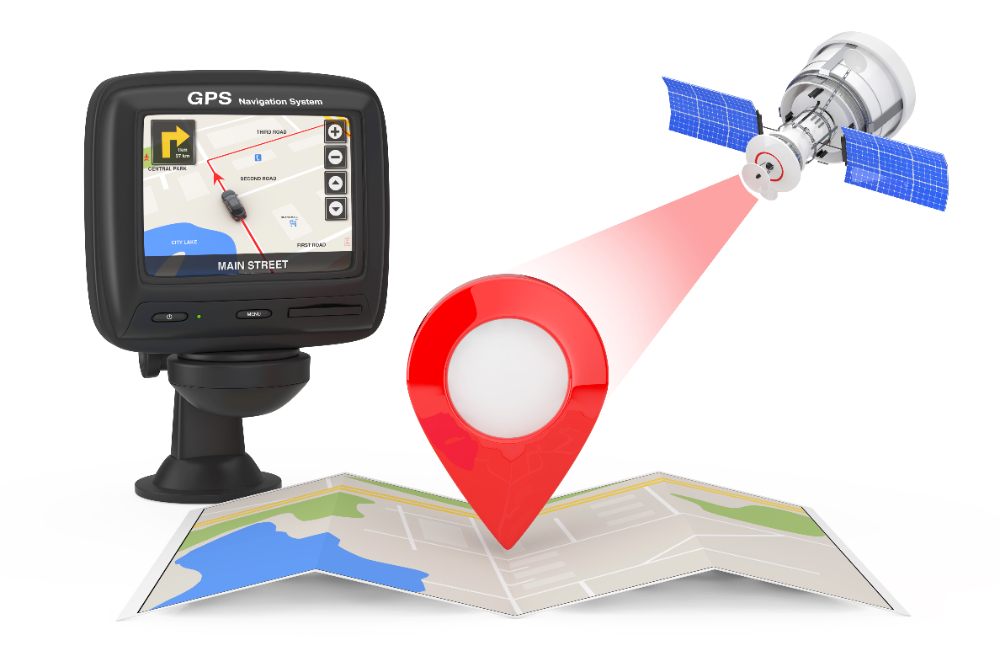
1. GPS Tracking Systems
- How It’s Used:
- Monitoring the location of vehicles or assets in real time.
- Benefits:
- Efficient, cost-effective, and provides accurate location data.
- Limitations:
- Requires consent or legal authorisation to avoid breaching privacy laws.
2. Digital Forensics
- How It’s Used:
- Analysing electronic devices, such as phones, computers, and tablets, to recover deleted files or trace digital footprints.
- Benefits:
- Crucial in fraud cases, employee misconduct investigations, and cyberstalking cases.
- Example:
- Recovering incriminating emails or financial records in a corporate investigation.

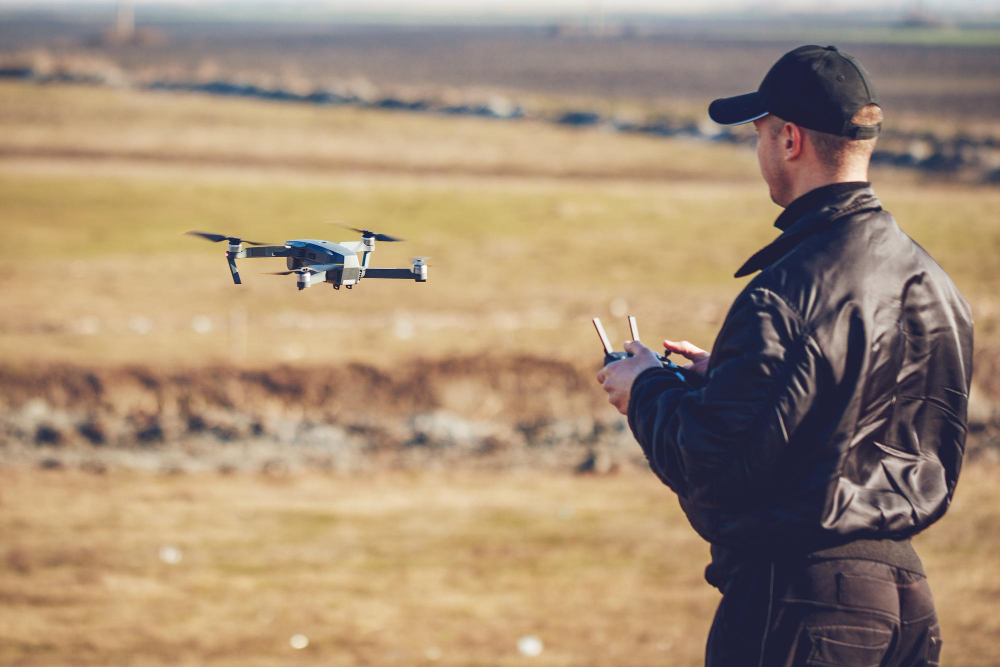
3. Drones for Surveillance
- How It’s Used:
- Capturing aerial footage of properties or monitoring large outdoor areas.
- Benefits:
- Discreet, high-quality imagery, and cost-efficient for wide-area surveillance.
- Limitations:
- Strict regulations under UK drone laws require pilots to have proper certifications.
4. Artificial Intelligence (AI) and Machine Learning
- How It’s Used:
- Analysing patterns in large datasets, such as phone records or financial transactions.
- Facial recognition to identify individuals in surveillance footage.
- Benefits:
- Speeds up investigations and provides actionable insights.
- Example:
- Using AI to connect seemingly unrelated activities in fraud investigations.
%20and%20Machine%20Learning.jpg)
5. Social Media and OSINT (Open-Source Intelligence)
- How It’s Used:
- Scraping public information from social media profiles, forums, and blogs.
- Benefits:
- Uncovering connections, movements, and behavioural patterns.
- Example:
- Tracking a missing person’s recent activities through social media updates.
.jpg)
6. Biometrics
- How It’s Used:
- Analysing fingerprints, facial recognition, or voiceprints for identification.
- Benefits:
- High accuracy in verifying identities.
- Limitations:
- Requires access to biometric data, which must comply with strict privacy laws.

Real-World Applications of Technology in Investigations
1. Corporate Investigations
- Example: Using digital forensics to identify fraudulent activities within a company.
2. Missing Persons Cases
- Example: Employing GPS tracking and social media monitoring to locate a missing individual.
3. Infidelity Investigations
- Example: Combining surveillance footage with GPS data to confirm suspicious behaviour.
4. Fraud and Cybercrime Investigations
- Example: Using AI to analyse financial transactions for irregularities in a fraud case.
Legal and Ethical Considerations
1. Legal Restrictions on Technology Use
- Surveillance Laws:
- Investigators cannot use tracking devices without consent.
- Data Protection:
- Complying with GDPR when handling personal data.
2. Ethical Practices
- Transparency with clients about the tools used.
- Avoiding invasive methods that violate privacy.
Future Trends in Private Investigator Technology
1. Predictive Analytics
- Using AI to anticipate behaviours and actions based on patterns.
2. Advanced Facial Recognition
- Enhancing accuracy and reducing false positives.
3. Internet of Things (IoT) Surveillance
- Leveraging smart devices for additional data points in investigations.
4. Blockchain Analysis
- Investigating cryptocurrency fraud and tracing transactions.
FAQs About Technology in Private Investigations
Is the use of technology by private investigators legal?
Yes, as long as the tools comply with UK laws like GDPR and RIPA.
Can private investigators access phone records?
No, accessing phone records without authorisation is illegal.
Are drones widely used in private investigations?
Yes, but their use is regulated under UK drone laws.
What technologies are best for corporate investigations?
Digital forensics, AI for data analysis, and OSINT tools.
Conclusion
Technology has revolutionised the field of private investigation, making it more efficient and precise than ever before. However, ethical and legal compliance remains paramount. Whether you’re hiring a private investigator or just curious about their tools, understanding how they leverage technology ensures transparency and trust.
Read our details blog about Private Investigators in London