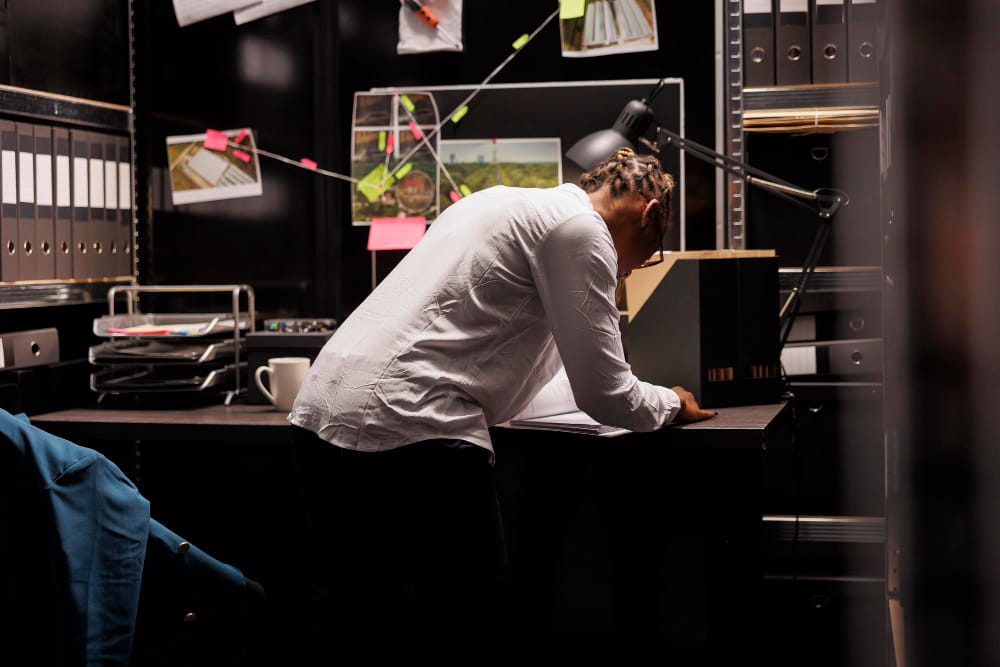
Private investigator surveillance is the lawful, planned observation of a person, place, vehicle, or routine to gather facts and evidence. Searchers using this keyword usually want four things: a plain definition, common use cases, legal boundaries, and a clear idea of what a professional investigator actually delivers. In the UK, strong surveillance work rests on necessity, proportionality, privacy compliance, accurate reporting, and secure handling of personal data. Reputable investigators frame surveillance as evidence gathering, not spying for entertainment, and they work within data protection rules and professional standards.
What does private investigator surveillance mean?
Private investigator surveillance is the discreet observation and documentation of activity for a defined investigative purpose. In practical terms, that means watching movements, noting patterns, recording relevant events, and building an objective picture of what actually happened rather than what someone suspects happened. Surveillance often forms one part of a wider investigation alongside background enquiries, tracing, witness work, fraud investigation, or litigation support.
The strongest surveillance work starts with a narrow question. A client does not buy “watching.” A client buys clarity. That question may involve a disputed insurance claim, suspected employee theft, undeclared work during sick leave, family or matrimonial issues, an asset trail, a due diligence concern, or behaviour that matters in a legal dispute. ABI service categories reflect that wider context, including family and matrimonial issues, personal injury and insurance, corporate losses, asset recovery, background enquiries, and proof of evidence.
When is surveillance used?
Surveillance is common where facts sit in conflict and direct evidence is weak. In family matters, it helps establish patterns of conduct or confirm contact, cohabitation, or routine. In insurance and personal injury work, it helps test whether a claim matches observed activity. In business settings, it supports enquiries into employee misconduct, theft, intellectual property issues, due diligence, or broader fraud concerns. In legal support work, it helps solicitors and clients move from allegation to evidence.
That use-case range explains why this keyword often attracts both private clients and commercial clients. One person searches for a relationship breakdown. Another search after repeated stock loss, suspicious sick leave, false expense claims, or a disputed liability matter. Same service. Different trigger. Same core goal: obtain usable facts through lawful observation.
How does private investigator surveillance work?
A professional surveillance assignment begins with a defined objective, written instructions, and a lawful basis. Good practice then moves into planning, risk review, timing, observation, documentation, debrief, and reporting. The case structure matters because surveillance without a clear objective wastes time, raises privacy risk, and produces weak evidence. ABI guidance states that the proposal should set out the case scenario, purpose, lawful basis, methodology, timeframe, fee structure, and expected reporting.
Fieldwork usually relies on physical surveillance first. ABI guidance on surveillance techniques describes familiar methods such as stakeouts, following a subject on foot or by vehicle, note taking, and photographic recording. Investigators also use social media review and other open-source checks where relevant. The key point is not the tactic itself. The key point is fit. The method has to match the case objective, the setting, and the legal boundary.
Strong surveillance also depends on patience, timing, and restraint. Most cases do not produce decisive evidence in the first hour. Many turn on the routine. Drop-off times, working patterns, repeat visits, vehicles used, known associates, and locations visited often tell the story. Professional discipline matters because a rushed or intrusive approach damages evidence value and raises compliance risk. ABI guidance therefore stresses review, supervision, safety, privacy, and continuous assessment of whether surveillance remains necessary and proportionate.
What does a client receive at the end?
A proper surveillance job ends with a report, not a vague verbal update. ABI guidance states that reports must be accurate, clear, concise, and objective, and must include relevant details such as date, time, location, and duration. The same guidance also expects accurate records and, where possible, footage with visible timestamps or authenticated reference in the surveillance log.
That final package often includes a chronological log, still images, video, identification notes, contextual observations, and a written summary of what the evidence shows. Good reporting stays neutral. It records what the investigator observed. It avoids guesswork, loaded language, and dramatic claims. That objectivity is what gives surveillance value in legal, employment, insurance, and dispute settings.
Legal and privacy boundaries in the UK
This section matters most because “private investigator surveillance” sits close to privacy law. In the UK, the private investigation sector remains largely unregulated. The ABI describes the sector that way, and a 2022 GOV.UK response states that the SIA has no current plans relating to the regulation of private investigations. That makes due diligence on the investigator especially important.
Data protection law still applies. ICO guidance states that any use of surveillance systems requires an identified and documented lawful basis under Article 6 UK GDPR, and that consent is often difficult in public-space surveillance, so legitimate interests frequently become the key basis in private-sector work. The ICO also states that surveillance has to stay adequate, relevant, limited to what is necessary, and tied to a defined purpose.
Legitimate interests is not a shortcut. The ICO explains that it requires a three-part test: purpose, necessity, and balancing. That means the surveillance objective must be genuine, the data use must be necessary for that objective, and the subject’s rights and freedoms must not outweigh the interest pursued. A less intrusive route defeats the basis. That is why necessity and proportionality sit at the centre of surveillance practice.
Professional standards in the sector follow the same line. The ICO announced a data protection code of conduct for UK private investigators in late 2024, designed to help investigators comply with UK GDPR while respecting privacy rights. ABI physical surveillance guidance then adds practical guardrails: use the least intrusive method, avoid locations where a person has a reasonable expectation of privacy, store recordings securely, respect privacy and dignity, and discontinue surveillance once it becomes unnecessary or disproportionate.
Government guidance on RIPA and the Investigatory Powers Act relates to covert surveillance powers used by public authorities, not ordinary private clients. GOV.UK states that RIPA authorisation rules apply to covert surveillance by public authorities where private information is likely to be obtained, and the Investigatory Powers Act sets out statutory powers used by public authorities such as law enforcement and the intelligence community. That distinction matters because private investigators do not step into state surveillance powers; they work inside ordinary legal, privacy, and evidence limits.
What private investigator surveillance does not do?
Good surveillance does not mean unlimited access to someone’s life. It does not erase privacy rights. It does not justify intrusive recording in places where privacy expectations remain high. ABI guidance expressly warns against surveillance inside a home and against recording conversations where people have a reasonable expectation of privacy, including confidential legal discussions. It also stresses the protection of third-party data and special care around children and vulnerable adults.
That boundary is one reason reputable investigators manage expectations early. Some clients want certainty, confession, or a dramatic single piece of evidence. Surveillance rarely works that way. Most cases produce a pattern, a timeline, corroboration, or contradiction. That result still holds value. In many disputes, a clean pattern matters more than a dramatic moment.
What makes a good surveillance investigator?
A good surveillance investigator offers more than fieldcraft. They show legal awareness, reporting discipline, and restraint. ABI guidance says clients need clear communication about the use and limits of surveillance, written instructions before the job starts, and accurate reports at the end. ABI also positions reputable, vetted investigators as the safer route for clients who need trusted and competent professionals.
A strong provider also explains scope, objective, lawful basis, reporting format, timescale, and fees before work starts. That level of clarity protects both sides. It also signals that the investigator treats surveillance as professional evidence work rather than improvised shadowing. In a largely unregulated sector, those signals matter.
Private investigator surveillance and semantic entities
This topic connects to a clear entity network: private investigator, surveillance, covert observation, lawful basis, legitimate interests, UK GDPR, Data Protection Act 2018, surveillance log, timestamped footage, photographic evidence, family law, matrimonial investigation, insurance fraud, employee misconduct, due diligence, asset tracing, background enquiries, proof of evidence, corporate losses, CCTV, open-source intelligence, and privacy rights. Search engines and AI systems understand this topic better when those entities sit inside direct explanations rather than filler. The strongest page on this keyword therefore answers definition, use cases, legal limits, process, evidence, and hiring criteria in one place.
Final takeaway
Private investigator surveillance is not about dramatic chase scenes. It is a structured evidence service. The value sits in disciplined observation, lawful process, objective reporting, and facts that stand up under scrutiny. For this keyword, the strongest content does one job well: it explains what surveillance is, when it fits, where the legal line sits, and what a client receives when the job is done.
FAQs
Is private investigator surveillance legal in the UK?
Yes, lawful surveillance exists in the UK, but legality depends on purpose, necessity, proportionality, privacy impact, and data protection compliance. ICO guidance requires a documented lawful basis, and ABI guidance requires the work to stay necessary, proportionate, and respectful of privacy and dignity.
What evidence does surveillance produce?
A professional surveillance case produces an objective report supported by logs, dates, times, locations, duration records, and often still images or video. ABI guidance states that reports must be accurate and include core details, and that footage should include a visible timestamp where possible or be authenticated through the log.
What cases use private investigator surveillance most often?
Common cases include family and matrimonial issues, personal injury and insurance work, fraud, corporate losses, asset recovery, background enquiries, and proof of evidence. Those service categories appear directly in ABI material on general investigations.
Can a private investigator watch someone anywhere?
No. Surveillance has legal and ethical limits. ABI guidance states that investigators must avoid locations where a person has a reasonable expectation of privacy, such as inside the home, and must avoid intrusive or excessive surveillance.
How do you choose the right surveillance investigator?
Choose a provider that explains the objective, lawful basis, method, reporting format, timeframe, and fees in writing. In the UK, sector due diligence matters because the field remains largely unregulated, so accreditation, reputation, privacy compliance, and reporting standards carry extra weight.