

In the UK, private investigators (PIs) are professionals who help individuals and businesses uncover important information, often in sensitive situations. Contrary to popular myths, they are not like the characters seen in movies, but skilled professionals using legal methods to gather evidence and solve problems.
The demand for PIs is growing in the UK, largely due to rising cases of infidelity, workplace fraud, and missing persons. People now seek expert help to uncover the truth when they face complicated or delicate issues.
This guide will explore what a private investigator does, when to hire one, how much it costs, and the legalities involved. Whether you’re dealing with personal or business concerns, understanding the role of a PI can provide you with the clarity you need.
Table of Contents
- What Does a Private Investigator Do?
- When Should You Hire a Private Investigator?
- How Much Does a Private Investigator Cost in the UK?
- Is It Legal to Hire a Private Investigator in the UK?
- Risks of Hiring a Private Investigator
- How Does the Private Investigation Process Work?
- Private Investigator vs DIY Investigations
- Modern Trends in Private Investigation
- How to Choose the Right Private Investigator
- Private Investigator Services Across the UK
- Case Studies
- Final Thoughts
- FAQs
What Does a Private Investigator Do?
A private investigator (PI) gathers information, uncovers facts, and provides evidence for personal, business, or legal purposes. Their work combines observation, research, and technology to solve complex cases while adhering to UK law.
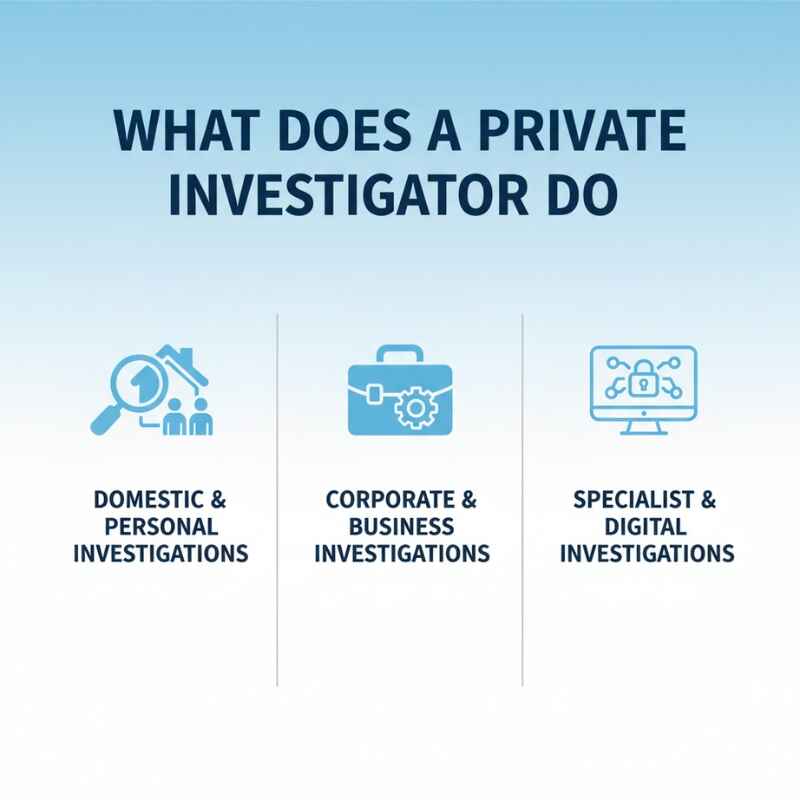
Domestic & Personal Investigations
Private investigators often handle personal cases. These investigations help individuals with sensitive issues.
- Infidelity/cheating partner cases: PIs track a partner’s activities to gather proof of cheating. They collect evidence in a discreet and professional manner.
- Tracing missing persons and reconnecting families: PIs locate missing persons or help families reconnect with lost members. They use databases and fieldwork to track down people.
- Finding someone’s address legally in the UK: PIs find addresses by searching public records and using legal methods. This is done with full respect for privacy laws.
- Background checks for relationships: PIs perform thorough checks to ensure a partner is trustworthy. They gather information about someone’s background and personal history.
Corporate & Business Investigations
Many businesses rely on PIs to protect their interests and gather critical information.
- Employee fraud and workplace theft: PIs investigate employee fraud, theft, or misuse of company assets. They gather evidence to help businesses take action.
- Due diligence before partnerships: PIs help businesses investigate potential partners. They make sure there are no hidden issues that could cause harm.
- Small business investigations: Small businesses use PIs to detect fraud, theft, or security breaches. PIs help protect the business from internal and external threats.
- Employee background checks: PIs run background checks on potential employees to verify their history. This helps businesses avoid hiring risky candidates.
Specialist & Digital Investigations
As technology grows, PIs are handling more digital cases. These require special tools and expertise.
- Cybercrime & online fraud cases: PIs investigate cases of online fraud, hacking, and identity theft. They protect individuals and businesses from cyber threats.
- Digital forensics and online data tracing: PIs recover and analyse digital data. They trace online information to uncover important evidence in criminal or civil cases.
- Surveillance tools: GPS, drones, cameras: PIs use tools like GPS trackers, drones, and cameras for surveillance. These tools help collect evidence that can be used in court or investigations.
When Should You Hire a Private Investigator?
A private investigator (PI) helps you get facts you cannot easily find yourself. They work within UK law and give accurate, private, and legal information. Hiring a PI is useful when the situation is sensitive, complex, or requires proof.
Personal Situations
PIs support people in private matters where discretion is needed.
- Suspected infidelity: PIs watch carefully and collect evidence to show if a partner is unfaithful. This can help personal decisions or legal actions.
- Child custody support: Investigators gather proof about routines, behaviour, or safety. This can assist in court cases.
- Tracing people: PIs find missing family members, old friends, or estranged relatives. They use public records, research, and legal methods.
Business Red Flags
Businesses hire PIs to protect money, reputation, and operations.
- Financial irregularities: Investigators check for fraud, theft, or suspicious transactions. Early detection can save money.
- Dishonest employees: PIs find staff misconduct or workplace theft. This helps prevent losses and maintain trust.
- Legal disputes requiring evidence: PIs collect information that is legal and valid for contracts, disputes, or court cases.
Legal or Sensitive Cases
Sometimes, you need evidence that only a trained PI can get.
- Background checks for clients, partners, or vendors.
- Proof of suspicious actions in personal or business matters.
- Evidence for insurance claims, civil disputes, or criminal investigations.
Hiring a private investigator is a good idea when you need facts that are accurate, private, and legally gathered. They provide peace of mind and professional support.
How Much Does a Private Investigator Cost in the UK?
The cost of hiring a private investigator in the UK varies depending on the type of service, location, and time involved. Fees are usually charged either as an hourly rate or as a fixed package for common investigations.
Typical Hourly Rates
Most private investigators in the UK charge between £40 and £85 per hour. Rates depend on the investigator’s experience, region, and the complexity of the case. Longer surveillance often attracts reduced hourly rates through package deals.
Flat Fees for Common Services
Some investigations are offered at a set price.
- Background checks usually £100–£300, depending on the depth of research.
- Surveillance packages can range from £350–£700 for half-day or full-day coverage, including written reports and photographic evidence.
Factors Affecting Cost
Several variables influence the overall fee:
- Case complexity: More complex investigations, like fraud or digital forensics, generally cost more due to the additional time and resources required.
- Time and duration of investigation: Longer investigations naturally increase costs. A surveillance case that lasts several days will be more expensive than one lasting a few hours.
- Travel and location: If an investigator needs to travel extensively or work in remote locations, this can add to the cost due to travel expenses.
- Specialist skills or equipment: Some cases, such as cybercrime or fraud investigations, may require specialised equipment or expertise, increasing the price.
- Urgency: If an investigation needs to be completed quickly, an investigator may charge a premium for expedited service.
Is Hiring a Private Investigator Worth It?
Hiring a private investigator is worth considering when you need discreet, lawful evidence that goes beyond what you can access yourself. Whether for uncovering fraud, confirming suspicions, or locating missing people, the cost is balanced by the value of peace of mind, business security, and legal support.
Is It Legal to Hire a Private Investigator in the UK?
Yes, hiring a private investigator in the UK is legal, provided the investigator follows the law and operates within professional and regulatory guidelines. Understanding legal boundaries ensures your investigation remains lawful and evidence is admissible.
What PIs Can Do Legally
- Conduct surveillance in public spaces: Private investigators can watch and record what happens in public areas. They cannot go onto private property without permission.
- Run background checks with legal data: PIs can use public records to check personal, business, or work information. This is fully legal and safe.
- Gather witness statements: Investigators can talk to willing witnesses and write down what they say. This can help with personal, business, or legal cases.
What PIs Cannot Do
- Hack emails or phones: It is illegal to read someone’s emails or phone messages. Doing so can lead to criminal charges.
- Access bank accounts or medical records: PIs cannot open private bank or medical files without permission.
- Tap phone lines: Listening to or recording phone calls without consent is against the law.
Licensing & Regulations
- SIA licensing status (and industry challenges): Some investigators have a Security Industry Authority (SIA) licence. Many do not. Always check their credentials before hiring.
- GDPR and data protection rules: All work must follow GDPR (General Data Protection Regulation) rules (https://www.gov.uk/data-protection). This protects people’s personal data and privacy during an investigation.
Risks of Hiring a Private Investigator
Risks of hiring a private investigator exist, especially if you work with unlicensed or inexperienced professionals. Understanding these risks helps you make informed decisions and protects your personal, financial, and legal interests.
Legal Risks
Engaging with unlicensed or unethical investigators can cause serious legal problems. Using illegal methods, such as unauthorised surveillance or data access, may result in fines or criminal charges. Always verify that your PI complies with UK law and GDPR rules.
Financial Risks
Private investigators can charge high fees, and some may overcharge or provide no usable results. Scams in the PI industry are reported occasionally, including fake agencies that vanish after payment. Cost transparency is crucial to avoid financial loss.
How to Avoid These Risks
- Verify the PI’s licence and professional background.
- Request references or client testimonials.
- Get all costs and terms in writing before starting.
- Ask about insurance and data protection practices.
Hiring a licensed and experienced PI reduces risks and ensures you get accurate, legally obtained information. Being cautious protects both your investment and your personal or business interests.
How Does the Private Investigation Process Work?
The private investigation process is clear and structured. Each step keeps the work legal, accurate, and reliable. Knowing the workflow helps clients see what will happen. It also shows how investigators gather evidence carefully and professionally.

Step 1: Initial consultation and case discussion
The process starts with a private meeting. The investigator talks with the client about the case. They check the goals and find possible problems. This step makes sure the scope, legal limits, and expected results are clear before any work begins.
Step 2: Investigation planning and resource allocation
After the meeting, the PI makes a detailed plan. This covers which methods and tools to use. It also includes assigning staff or experts if needed. Equipment, databases, and special skills are arranged depending on the case size and urgency.
Step 3: Surveillance, evidence collection, reporting
Investigators collect evidence in the field, online, or through interviews. They may use cameras, GPS trackers, or watch in public areas. All findings are written down carefully. Updates are sent to clients as needed. Evidence is prepared so it can be used legally.
Step 4: Delivering the final report and next steps
Finally, the PI writes a full report. It contains verified facts, photos, or digital evidence. The report also gives recommendations. Clients get advice on legal steps, safety actions, or business decisions based on the results.
Private Investigator vs DIY Investigations
Choosing between hiring a private investigator and handling an investigation yourself can affect the results, legality, and reliability of your case. The table below highlights the main differences:
| Key Factor | Private Investigator (PI) | DIY Investigation |
|---|---|---|
| Professional Skill & Neutrality | Trained investigators with experience, staying objective and making fact-based decisions, crucial in sensitive cases like infidelity or fraud. | Personal involvement can cloud judgment, leading to errors or emotionally driven choices. Limited investigative knowledge. |
| Access to Tools & Data | Can use proprietary databases, legal records, and professional networks for accurate and current information. | Restricted to public records, online searches, and basic tools, often outdated or incomplete. |
| Legal Knowledge & Compliance | Operates within laws, understands privacy, surveillance, and trespass regulations. Evidence is collected ethically and legally. | High risk of breaking laws unintentionally, such as illegal surveillance, trespassing, or privacy breaches, causing legal issues. |
| Reliability of Evidence | Evidence is documented properly for legal use, including verified reports, photos, and witness statements. | Evidence may be unreliable, incomplete, or inadmissible, risking weak outcomes in legal or business matters. |
| Confidentiality & Safety | Conducts investigations discreetly and safely, protecting both the client and investigator. | Risk of being detected, facing confrontation, or personal harm due to lack of training in discreet observation. |
| Cost vs Outcome | Fees vary based on case complexity and duration, but ensure legal protection, accurate findings, and actionable results. | Lower upfront cost, but mistakes or inadmissible evidence can lead to higher financial or legal consequences. |
Modern Trends in Private Investigation
The private investigation industry in the UK is changing fast. New trends focus on technology, digital solutions, and tools that improve accuracy, speed, and client convenience. Both investigators and clients benefit from staying updated.
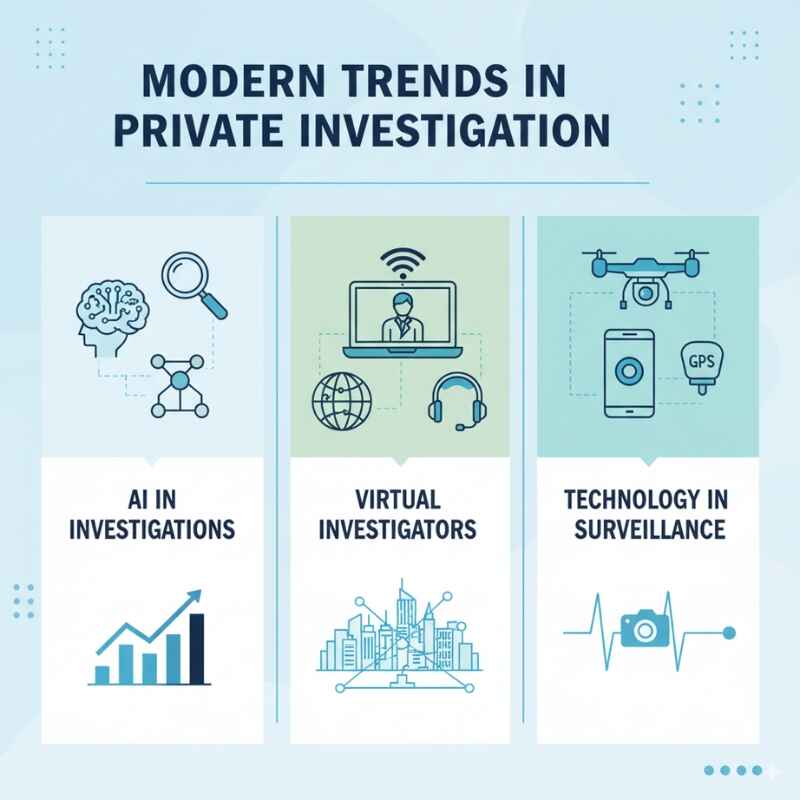
AI in Investigations
- Predictive data analysis: AI helps private investigators find patterns in large amounts of data. This makes it easier to spot fraud, track behaviours, and predict risks before they happen.
- Facial recognition and online monitoring: Software can scan photos and videos to identify people. It can also monitor social media or spot unusual activity. These tools save time and improve accuracy.
Virtual Private Investigators
- Remote consultations: Clients can speak with investigators online. This reduces travel and makes communication easier.
- Digital-only investigation services: Some investigators work entirely online. They can handle digital surveillance, cybercrime investigations, and background checks. This offers a flexible and cost-effective solution.
Technology in Surveillance
- Drones, GPS tracking, and advanced cameras: Investigators use drones for aerial surveillance, GPS devices to track movement, and modern cameras for discreet observation. These tools make evidence more reliable while following UK privacy laws.
Modern trends show that private investigators are no longer limited to traditional methods. Using AI, technology, and virtual services increases efficiency, accuracy, and client satisfaction in both personal and business investigations.
How to Choose the Right Private Investigator
To choose the right private investigator, focus on skills, experience, and honesty. Picking a licensed and trustworthy PI keeps your investigation legal. It also ensures evidence is correct and useful for personal or business matters.
- Verify licence and credentials: Check that the investigator has the right licence or certificate. This shows they follow UK law, meet industry rules, and have the skills needed for your case.
- Read reviews and testimonials: Look at client reviews and testimonials. They show how reliable and professional the PI is. Check feedback from similar case types to see their success rate.
- Ask the right questions: Talk about experience, methods, tools, and expected results. Ask about legal compliance, reporting frequency, and how they will communicate with you. This ensures services meet your needs.
- Compare pricing and reporting transparency: Request detailed quotes and understand how costs are structured. Ensure reporting practices are clear and evidence documentation meets legal or business requirements, avoiding hidden fees or vague deliverables.
Private Investigator Services Across the UK
Private investigators offer trusted help in every major UK city, covering personal, business, and digital cases.
Private Investigator London
London private investigators help with personal and business cases. They offer employee fraud checks, infidelity investigations, corporate due diligence, and surveillance.
With knowledge of London’s legal rules and access to public records, PIs collect legal evidence. All work is confidential, GDPR-compliant, and designed for city-specific cases.
Private Investigator Manchester
Private investigators in Manchester serve individuals and businesses. They handle employee background checks, corporate fraud, infidelity cases, and tracing missing people. Local knowledge in Greater Manchester allows discreet operations.
All services follow UK privacy laws and GDPR. Clients get accurate and actionable results for personal or business needs.
Private Investigator Birmingham
Private investigators in Birmingham focus on fraud detection, surveillance, people tracing, and background checks. They use modern tools and local knowledge to gather legal evidence.
Services include corporate investigations, infidelity monitoring, and employee screening. All work is GDPR-compliant and legal, providing reliable and confidential information for business and personal cases.
Private Investigator Glasgow
Glasgow private investigators help clients across Scotland. They handle employee misconduct checks, infidelity investigations, fraud detection, and missing person tracing.
Knowledge of Scottish legal rules and local networks ensures evidence is accurate and admissible in court. All work is handled discreetly and follows GDPR and privacy standards.
Final Thoughts
Hiring a private investigator in the UK offers discreet, legal, and reliable support for personal, business, and legal matters. With modern tools like AI and digital forensics, licensed PIs deliver fast, accurate results, giving you peace of mind and trustworthy evidence when you need it most.
If you’re considering professional help, choose a licensed and experienced PI to ensure your case is handled with care, legality, and proven expertise.
Frequently Asked Questions (FAQs) About Private Investigator
Q: Can private investigators access phone records in the UK?
A: No, private investigators cannot access phone records without the owner’s consent. Accessing such data illegally can lead to criminal charges under UK law. PIs rely on legal methods like public records, surveillance, and witness statements.
Q: Do private investigators work with the police?
A: Private investigators do not work as police officers, but they may cooperate with law enforcement when appropriate. They can share evidence legally gathered to support criminal or civil investigations, but they operate independently.
Q: How long does it take for a PI to find someone?
A: The time varies depending on the case type, complexity, and available information. Simple searches may take a few days, while tracing missing persons or investigating fraud can take weeks or months.
Q: What information can a private investigator legally obtain?
A: Investigators can access public records, verify identities, conduct background checks, gather witness statements, and observe public activities. They must comply with GDPR and data protection laws, avoiding hacking, phone tapping, or unauthorised access.


